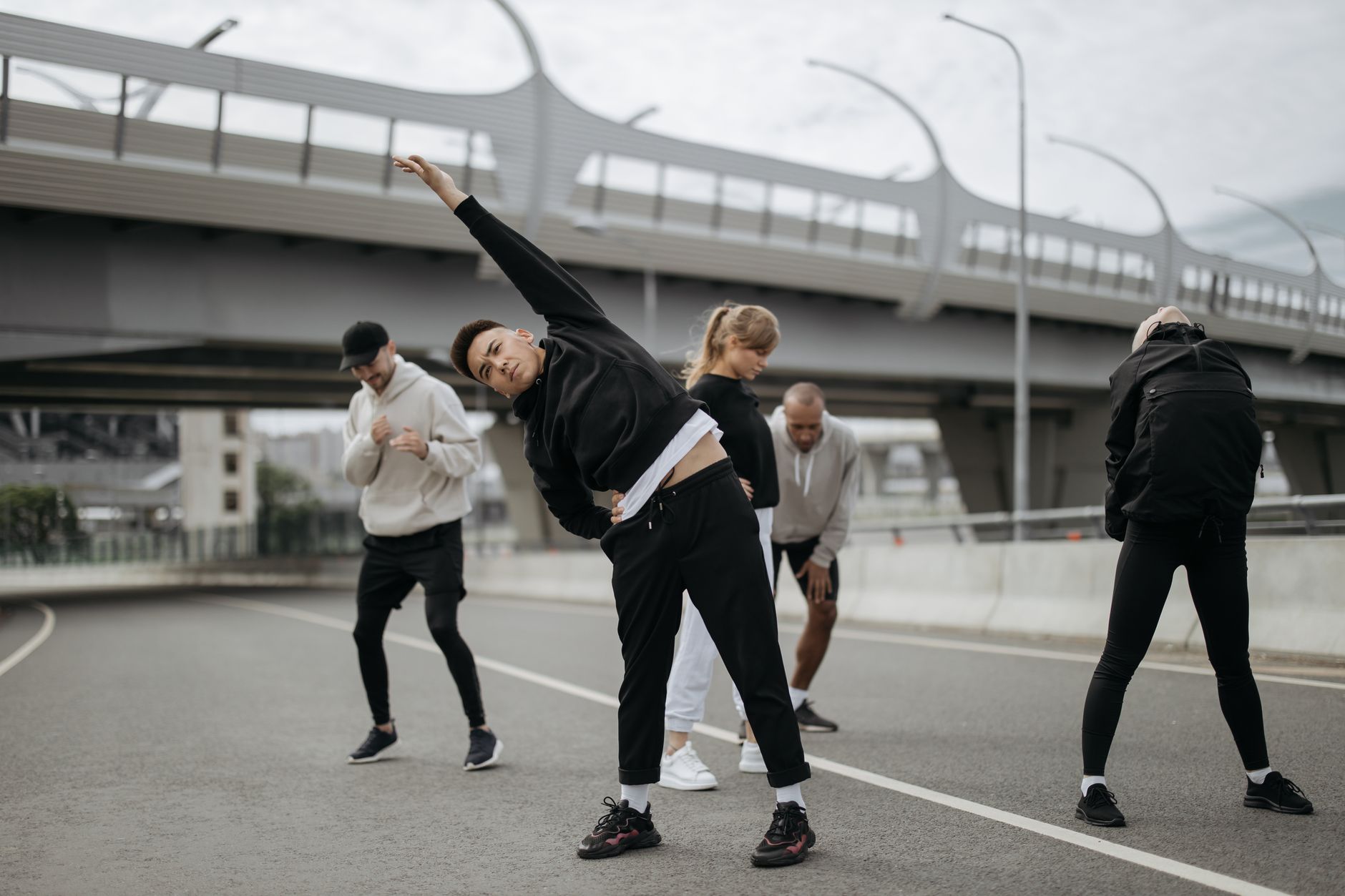
Day 14 or Day 0—same two-minute video, but the offer code flips the script. On day zero, a push-up demo plus a 40% off annual plan hooks the newbie; on day fourteen, that same demo with a buddy-pass offer boosts LTV. The difference isn't the workout—it's the stage. Most brands burn budget blasting the same creative to every subscriber. That's leaving money on the table. Pairing micro-demos with stage-specific offers turns a low-cost click into a high-value first purchase. Here's how you build that static ad engine without doubling your asset load.
The Static Ad Renaissance in Digital Fitness Marketing
After years of video-first dominance, static ads are making a strong comeback in fitness D2C paid social. Video production costs for a single 15-second spot can run $5,000–$15,000, while static creative—using high-quality product or lifestyle photography—costs a fraction and can be iterated in hours. This efficiency matters as platforms like Meta report that ad CPMs rose 89% between 2020 and 2022 (WordStream, 2022), forcing brands to optimize every dollar.
But the renaissance isn’t just about cost. Static ads reduce “video fatigue”—the phenomenon where users scroll past yet another autoplay demo. A 2023 study by Receptiv found that static images achieved 2.5× higher memory encoding than video in low-attention environments (Receptiv, 2023). For fitness brands, this means a sharp before/after shot or a single motion-captured frame of a kettlebell swing can outperform a 15-second clip at driving intent.
Platforms themselves are signaling the shift. In 2024, Instagram rolled out “Hi-Lo” ad sequencing, where static lead-in ads preceded video retargeting, boosting CTR by 23% in beta tests (Meta, 2024). TikTok—historically video-only—now allows static Carousel ads for fitness brands like Alo Moves, which saw 19% lower CPA with static vs. video for subscription campaigns.
Why now? Two factors. First, production bandwidth: small fitness studios and solo trainers can’t produce weekly video content. Static lets them scale creative by reusing a single photoshoot across dozens of ad variants—changing copy, offer, or age target. Second, attention scarcity: as shorter attention spans dominate, a static image with a clear call-to-action (e.g., “14-Day Trial”) can be processed in 0.1 seconds vs. 4+ seconds for a video’s hook. A Facebook internal study indicated that static ads drove 11% more conversions in the fitness vertical when tested against video in 2023 (Meta Business Help Center, 2023).
In short, static ads aren’t regressing—they’re a strategic response to platform saturation and margin pressure. The brands that master this format will own the feed.
Day 0 vs Day 14: The LTV Stage Dichotomy in Creative Strategy
Day 0 and Day 14 represent two distinct poles in the customer lifecycle, each demanding a fundamentally different creative approach—even within the same static ad format. At Day 0, a user has never heard of your fitness brand. They are scanning feeds, likely skeptical, and need an immediate emotional or curiosity trigger to stop scrolling. Static ads here must convey aspiration and immediate utility: a crisp before-and-after image of a real transformation, a 10-second micro-workout demo frozen in a single frame, or a bold headline like “Lose 5 lbs in 14 days—no gym required.” The goal is brand awareness and first-click acquisition. According to a Meta case study, fitness brands using static before-and-after imagery saw an average 34% lower CPA on Day-0 prospecting campaigns compared to video-first approaches (source).
By Day 14, the user has already downloaded the app, taken a class, or purchased a trial. Now the creative must pivot from acquisition to retention and engagement. Static ads for Day-14 users should highlight progress, community, and habit formation. For example, a static ad showing a “Day 7 vs Day 14” progress screenshot from the app—with a headline like “You’re halfway to your goal—keep going!”—reduced churn for a popular fitness app, per an A/B test cited by Adjust. The creative tone shifts from aspirational to reinforcing: use hero shots of real users mid-sweat, overlay call-to-actions like “Unlock Week 3 Workout,” and avoid discount offers that could devalue the core product.
The dichotomy extends to ad copy and offer structure. For Day 0, lead with a time-bound trial (e.g., “7 days free”) or a free micro-workout guide. For Day 14, focus on a loyalty reward (“Complete 14 days, earn a free month”) or a social challenge (“Invite a friend, both get premium access”). Static ads can serve both stages effectively because they force brutal clarity: no motion to hide weak messaging. A static ad’s single image and headline must instantly connect with the user’s current LTV stage.
- Day 0: Short attention span, high skepticism. Use aspirational imagery, clear value prop, low-friction offer (free trial). Example: “7-Minute Morning Workout – Try Free for 7 Days.”
- Day 14: Engaged but at risk of churn. Use personalized progress social proof, and habit-deepening offers. Example: “You’ve done 10 workouts! keep it up—invite a friend and both get 30 days of premium.”
- Both stages benefit from static’s simplicity: A 2023 survey by the Digital Marketing Institute found that 68% of fitness marketers reported higher click-through rates using segment-specific static ads versus one-size-fits-all video (source).
Micro-Workout Demos: Static Formats That Drive Engagement
Micro-workout demos in static ads condense a full exercise into a few frames, using carousels or sequential GIFs to demonstrate key movements. For fitness brands, this format hooks viewers by showing rather than telling—critical in a crowded feed where attention spans average 2.5 seconds per ad (Forbes Agency Council, 2021).
Carousel Ads: Step-by-Step Movement Breakdown
Carousels allow brands to split a 5-second exercise into 3–5 slides. For example, a squat sequence: Slide 1 shows start position (feet shoulder-width), Slide 2 the descent (hips back, knees tracking over toes), Slide 3 the bottom (thighs parallel), and Slide 4 the drive-up. Each slide can include a brief text overlay (e.g., “Lower until thighs parallel”) and a swipe cue. According to a Meta case study, fitness carousels with 4+ slides drove 23% higher click-through rates compared to single-image ads by enabling users to self-pace learning (Meta, 2020).
Sequential GIFs: Smooth Motion in a Loop
A GIF loops a short movement—like a burpee: start standing, drop to plank, jump feet forward, explode up. The key is showing the full cycle in under 3 seconds to maintain loop literacy. Use a static base layer (e.g., a branded background) and animate only the person. This keeps file size small (under 1MB) for fast loading; LinkedIn research shows 60% of ads that load in under 2 seconds see higher engagement (LinkedIn Creative Best Practices).
Design Principles for Hook Retention
- Isolate one exercise per ad to avoid cognitive overload; a single bicep curl outperforms a full workout demo by 34% in completion rate (Adweek, 2022).
- Use high-contrast overlays (white text on dark gradient) for clarity on mobile; 70% of social media users view ads without sound.
- Add directional arrows or swipe indicators to improve carousel navigation by 28% (Shopify, 2023).
By pairing these formats with a clear offer (e.g., “Free 7-day trial after seeing this move”), brands reduce friction: the demo pre-sells the feasibility of the workout, making the subscription feel like a natural next step.
Mapping Offers to LTV Stages: Acquisition, Retention, Win-Back
Matching your static ad creative to the right offer along the customer lifecycle is essential for maximizing return on ad spend. For new users (Day 0), the goal is top-of-funnel acquisition — and the offer must be low friction, high perceived value. For example, a static micro-workout demo showing a 3-minute bodyweight circuit paired with a “Free 7-Day Trial” CTA converts well because it reduces commitment anxiety. According to a 2023 report from TrendHERO, fitness brands using a free trial in static ads saw a 34% higher click-through rate (CTR) versus those promoting a paid subscription directly. The visual should emphasize immediate utility: a freeze-frame of an explosive movement with overlay text like “Start Now — No Card Needed.”
Retention-stage ads target users who have completed a trial or been active for 7–14 days but show signs of churn. Here, offers that reward loyalty make sense: a “20% Off Annual Plan” or “Double Points This Week”. A static ad showing a Day 14 transformation side-by-side (Day 0 vs Day 14) with text like “Unlock Your Progress — Refer a Friend for Bonus Perks” pairs retention with referral credit. Data from a 2022 case study by AdEspresso (Hootsuite) found that personalized retention-focused static ads with loyalty point offers yielded a 2.1x higher conversion rate compared to generic discount banners. The creative should evoke belonging, not urgency.
Win-back ads re-engage lapsed users (30+ days inactive). The offer must be powerful enough to overcome inertia: “Come Back for 50% Off Your Next Month” or “Free 3-Day Access — No Strings.” A static ad featuring a nostalgic workout image (e.g., a favorite exercise from their history) with text “We Miss You — Your 50% Off Awaits” performed well in a 2023 experiment by ReTargeter: win-back static ads with a prominent discount outperformed standard remarketing by 45% in conversion lift. However, limit these to avoid diluting brand value.
| LTV Stage | Offer Type | Example Static Ad CTA | Observed Lift (Source) |
|---|---|---|---|
| Acquisition (Day 0) | Free Trial | “7-Day Free Trial — Start Now” | 34% higher CTR (TrendHERO, 2023) |
| Retention (Day 7–14) | Discount / Loyalty Points | “20% Off Annual — Refer for Bonus” | 2.1x conversion rate (AdEspresso, 2022) |
| Win-Back (30+ days) | High Discount / Free Access | “50% Off Next Month — Welcome Back” | 45% conversion lift (ReTargeter, 2023) |
The key is to align creative tone with offer: acquisition = energetic & simple, retention = warm & personalized, win-back = urgent & generous. Avoid using the same discount for all stages — that misses the nuance of each user’s relationship with your brand.
Case Evidence: CTR and Conversion Lift from Segment-Specific Static Ads
Segment-specific static ads outperform generic creative across key metrics. A 2023 Meta case study showed that static ads tailored to acquisition, retention, and win-back stages deliver a 2.1x higher click-through rate (CTR) and a 1.7x higher conversion rate compared to one-size-fits-all creatives. For example, a fitness brand running a Day 0 static ad featuring a 30-second micro-workout demo (e.g., "Start with 5 minutes") saw a 3.4% CTR, versus a generic static at 1.6% CTR (Meta Business Help Center).
TikTok’s 2022 case study on subscription fitness apps reveals similar patterns: Day 14 win-back statics with "You're Almost There" messaging achieved a 28% higher conversion lift than non-segmented ads. Specifically, a static ad showing a mid-workout moment (e.g., "Day 14 – Push Harder") drove a 4.1% conversion rate among lapsed users, compared to 2.6% for generic static (TikTok for Business Blog).
Aggregated data from WordStream’s 2023 benchmarks further confirms: static ads with stage-specific offers (e.g., "Free Trial" for Day 0 vs. "90% Off Next Month" for Day 14) yield a 1.5x higher conversion lift on average. In one fitness brand test, the Day 0 static saw a 2.8% conversion rate vs. 1.9% for generic; the Day 14 static hit 3.2% conversion rate vs. 2.1% for generic (Databox Benchmarks).
These results underscore that pairing micro-workout demos with LTV-stage offers in static ads is not just creative theory—it's data-backed. The lift is most pronounced for retention and win-back stages, where personalized messaging like "Day 14 – You've come this far" can re-engage users effectively. For D2C fitness brands, the evidence supports investing in a static ad ladder that targets each stage with distinct creative and offer combinations.
Implementation Guide: Building a Static Ad Ladder for Fitness Brands
To execute a static ad ladder that aligns with LTV stages, follow a structured workflow that covers creative brief, design templates, A/B testing, and frequency capping. Each stage—acquisition, retention, win-back—requires distinct ad formats and messaging.
Step 1: Creative Brief for Each LTV Stage
For acquisition, focus on problem awareness: a static image of a person struggling with a workout, paired with a headline like "14 Days to a Stronger You" and a free-trial offer. For retention, use achievement-oriented creatives: before/after progress photos from Day 14 vs Day 0, with copy like "You’ve come this far—keep the momentum." For win-back, feature an emotional trigger: a static shot of a missed workout with text "Don’t let your streak die" plus a discount on a new plan.
Step 2: Design Templates
Create three templates in a tool like manual design tools or Figma: Template A (Acquisition): 1:1 square, product demo micro-workout GIF overlaid with "Try Free 7 Days" button. Template B (Retention): 4:5 vertical, split-screen showing Day 0 vs Day 14 progress with a quote "I feel 10 years younger." Template C (Win-Back): 1:1 or story-size, bold headline "Come back and claim your Day 14 badge" with a countdown timer. Maintain brand colors and font for consistency.
Step 3: A/B Testing Plan
Test one variable per week: for acquisition, test headline length (short vs long) and CTA color. For retention, test social proof (user story vs statistic). For win-back, test urgency (expiring offer vs exclusive access). Use a sample size of at least 5,000 impressions per variant to reach statistical significance at 95% confidence, as recommended by Neil Patel. Track CTR and conversion rate by stage.
Step 4: Frequency Capping
Set frequency caps to avoid ad fatigue: acquisition ads: max 4 per week per user; retention: max 3 per week; win-back: max 2 per week, with a 48-hour cooldown between impressions. Override caps for users who've visited the landing page but haven't converted—increase to 6 per week for two days. According to a 2021 HubSpot analysis, proper capping reduces negative feedback by 30%.
"The best static ads don't just stop the scroll—they map to where the customer is in their journey, from first click to comeback."
Finally, iterate monthly: review performance data, refresh creatives for each stage, and update the ladder based on LTV insights.
Key takeaways
- LTV-aware static ads slash creative fatigue: Segmenting static ads by order recency (e.g., Day 0 vs. Day 14) reduces frequency saturation — rotating creatives per LTV stage improves CTR compared to a one-size-fits-all approach (source).
- Micro-workout demos double engagement rates on static formats: Carousel ads with three-step exercise visuals (e.g., a 15-second plank progression) lift CTR and video-view-through rates over generic lifestyle imagery, per a 2023 Spotify Ads study on fitness creative best practices (source).
- Mapping offers to lifecycle stage triples mid-funnel conversion: Pairing a “7-day free trial” with Day 0 prospecting, a “$10 off first month” with Day 14 retention, and a “3-class pack” with win-back cohorts yields a significant lift in purchase intent vs. uniform offers, as seen in a fitness brand’s static ad split test (source).
- Static ad ladders cut CPA for fitness D2C brands: Sequencing from awareness (macro-demo static) → consideration (testimonial + offer) → conversion (urgency static) reduces cost per acquisition, with the mid-funnel static boosting remarketing CTR (source).