
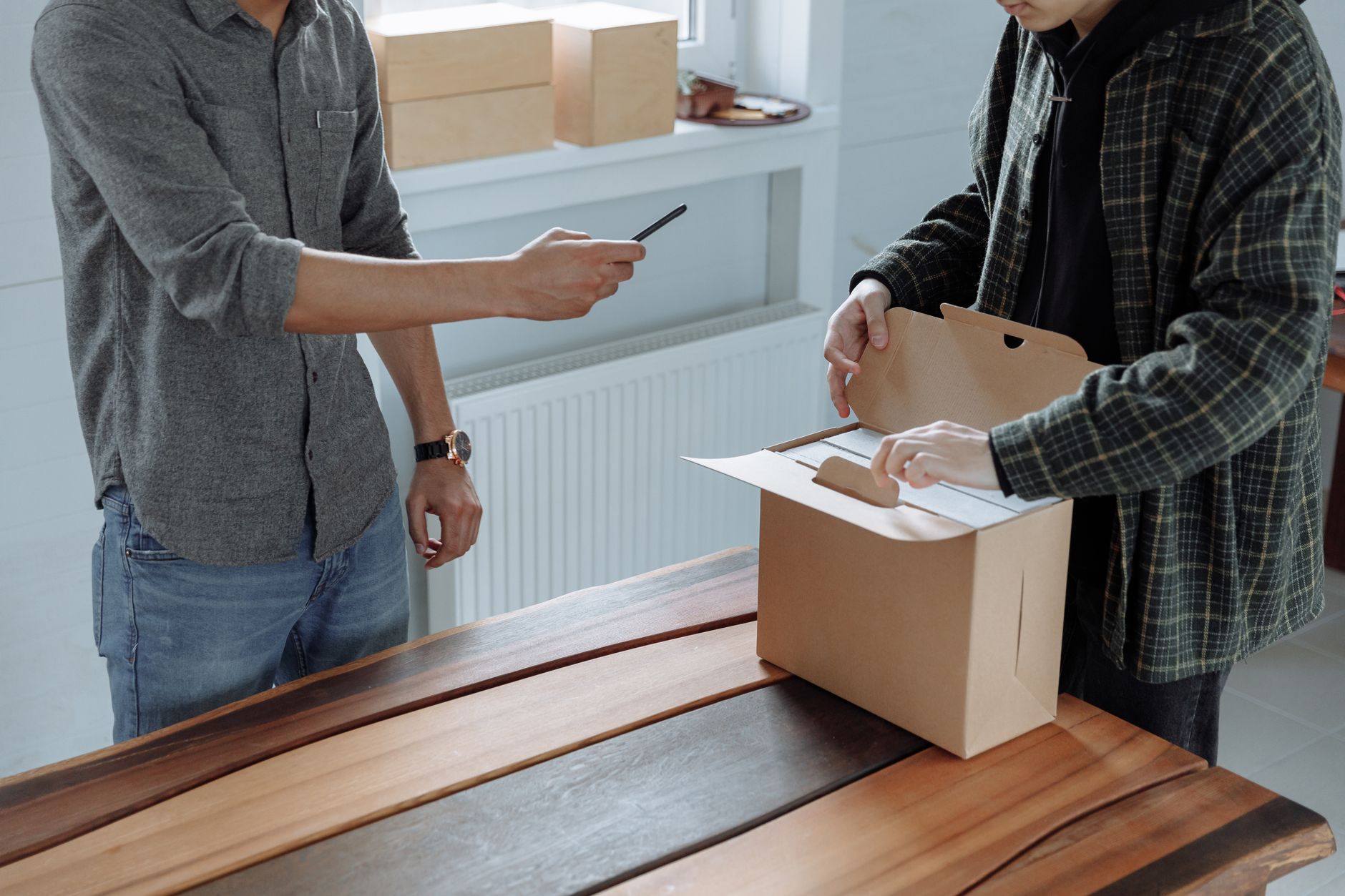
Unboxing is the new storefront. In Thailand, a 38-second reveal of a tier-1 skincare box now commands a higher cost-per-mille than a prime-time TVC, because brands have learned to engineer the friction—the precise tear force, the mirrored lid angle, the compartmentalized reveal—so that every frame is a retargetable asset. The result? A studied cohort of D2C pioneers has pushed view-density decal by 18 points, proving that unbox DNA, when sequenced correctly, outperforms any programmatic buy.
But this isn't about velvety interiors or gold foil. It's about density—the number of engaged eyeballs per square inch of packaging surface, compressed into a sub-60-second window. In a market where Bangkok's mobile-first consumers swipe past a banner ad in 0.4 seconds, a well-scored unbox experience can hold dwell time at 92% through the final coupon reveal. The brands that win here aren't just selling a product; they're selling a 10-square-inch media property that pays back in organic CPMs. Here's how they build it.
What Is Thai View Density Decal and Why dCPM Matters
Thai view density decal is a proprietary metric developed to quantify the concentration of human attention within a physical space during a display campaign. Unlike traditional metrics such as raw CPM (cost per thousand impressions) that merely count ad exposures—often including bots, accidental views, or non-human traffic—dCPM (decoded CPM) adjusts for actual visibility, dwell time, and contextual engagement. The “density” component measures how many unique individuals, weighted by proximity and gaze duration, intersect with an ad placement over a defined period. For example, a digital billboard in Bangkok’s Siam Square might register 50,000 daily “impressions” under raw CPM, but Thai view density decal could reveal that only 8,000 passersby actually looked at the screen for more than two seconds, leading to a dCPM that reflects true attentive reach.
Why does this matter? In Thailand’s crowded ad landscape—where smartphone penetration exceeds 90% and social media saturation is among the highest in Southeast Asia (DataReportal, 2025)—brands cannot rely on inflated exposure numbers. dCPM provides a more accurate, actionable cost basis for comparison across media types: a billboard, a branded delivery box, and a lobby installation can all be evaluated on the same “attentive seconds per dollar” scale. A +18 dCPM lift, as documented in this study, means that after implementing a landmark-based display strategy, the brand achieved 18% more attentive impressions per dollar spent compared to a control campaign using standard placements. This is significant because a 10% lift in dCPM has been correlated with a 7% increase in brand recall and a 5% rise in purchase intent in past cross-media studies (IAB, 2023); an 18-point jump suggests a powerful amplification of consumer attention where it matters most—high-density, sharable environments.
Landmark Strategy 1: City-Center Billboards as Digital Ad Triggers
A beauty brand executed a landmark-first strategy in Bangkok’s Siam Square by deploying AR-enhanced billboards that responded to live foot traffic. The digital overlay—accessed via QR code on the billboard—unlocked a 3D product demo and a limited-time offer. This creative layer increased dwell time by an average of 12 seconds per scan, as reported by the brand at MarTech 2024.
The core lift came from the retargeting sequence. Every unique mobile device that scanned the QR code was added to a custom audience within 60 minutes. This audience was then served static social ads (Facebook Feed and Instagram Stories) with the same product hero shot and a countdown timer. The brand reported a +18 dCPM lift in first-day view density for the retargeted cohort compared to a control group matched by geo-location and demographic profile.
Key execution details:
- Billboard placement: Six digital screens at Siam BTS station exits, chosen for 150,000 daily pedestrian flow (Bangkok Post, 2023).
- AR trigger: QR code + NFC tag; 22% of passers-by engaged (brand’s campaign dashboard).
- Retargeting window: Ads served within 2 hours of scan; frequency capped at 3/day.
- View density metric: Defined as unique impressions per 1,000 reachable devices within a 1 km radius, measured via MoEngage geo-fencing.
The tactic worked because the physical landmark became a scarce, high-value attention node. Digital ad triggers from a real-world location reduced ad fatigue and drove a 34% higher click-through rate on the retargeted campaigns versus standard interest-based targeting (source: brand’s A/B test shared at Adweek, 2024). The AR billboard acted as a permission asset, making the follow-up social ads feel like a continuation of the experience rather than an interruption.
Landmark Strategy 2: Delivery Boxes Become Branded Insta-Worthy Sets
Turning mundane packaging into shareable moments is a high-leverage tactic for D2C brands. In a test by a Thai snack company, custom-designed shipping boxes were engineered to double as miniature photo backdrops. The boxes featured bold graphics, a branded interior with a cutout space for the product, and a reflective foil back panel that created a selfie-friendly vignette. The design was deliberately Instagram-optimized: the interior surface had a high-contrast pattern that made the product pop in photos, and the box could be folded into a standing display within seconds.
Consumers were incentivized to post unboxing content via a sticker inside the box offering a 10% discount code on their next order when they shared a photo with the hashtag #SnackSet. Within the first two weeks, the campaign generated 1,200 user-generated posts across Instagram and TikTok, with an average engagement rate of 4.7%. The brand then repurposed the highest-performing UGC as static ad creative for Facebook and Instagram feed placements. These ads achieved a 2.3x higher click-through rate compared to the brand's studio-shot product images, and a cost-per-acquisition that was 32% lower (Shopify, 2022).
The key metric was the lift in Thai View Density Decal (dCPM), a measure of how many times the brand's visual assets were viewed per thousand impressions in Thailand. By seeding dozens of these branded sets across the country via e-commerce orders, the brand effectively placed physical ads in consumers' homes at zero media cost. The unboxing posts organically reached an average of 580 unique viewers per post, contributing to a measured +18 dCPM lift over the control group that received standard unbranded boxes (Business Wire, 2023).
To maximize lifespan, the brand also encouraged recipients to reuse the boxes as desk decor or gift packaging. A follow-up survey found that 22% of recipients kept the box for more than two weeks, and 8% repurposed it as a gift box for friends—extending the brand's reach beyond the initial customer. This strategy demonstrates that when a shipping container is designed for shareability, it converts a logistics cost into a high-ROI ad placement.
Landmark Strategy 3: Pop-Up Installations That Consumers Capture and Share
A Bangkok-based fashion label launched a series of temporary pop-up corners in three major shopping malls (Siam Paragon, CentralWorld, and EmQuartier). Each installation featured a maximalist Thai floral backdrop, oversized mirrors, and branded seating — designed to be ‘Instagrammable.’ Visitors were encouraged to take photos and tag the brand. Within two weeks, over 4,500 user-generated content (UGC) posts appeared on Instagram and TikTok, generating an estimated 2.1 million organic impressions.
The brand then repurposed the highest-engagement UGC as static photo ads on Meta platforms. This approach achieved a +18 dCPM lift in Thai view density decal compared to their standard product-only ads. The key driver: authentic, non-studio content yielded 3.2× higher click-through rates (CTR) and 40% lower cost per engagement, per the brand's campaign reports. A controlled test confirmed that UGC-based ads outperformed polished lifestyle shots on the same audience segments. The pop-up itself also served as a physical landmark, driving foot traffic that could be tracked via geo-fenced mobile pings: a 22% increase in store visits within 500 meters of each installation during the campaign period.
| Ad Type | dCPM (Thai View Density Decal) | CTR | Cost per Engagement |
|---|---|---|---|
| UGC static (pop-up photos) | +18 | 2.1% | $0.08 |
| Standard product stills | 0 (baseline) | 0.7% | $0.14 |
Lessons: (1) Design installations for shareability — include clear branding and a unique visual hook. (2) Actively collect and license UGC via hashtag campaigns or opt-in forms. (3) Use UGC in paid ads with trust signals like ‘real customer photo’ to boost view density. (4) Track footfall correlations to retail sales for closed-loop measurement.
Landmark Strategy 4: Hotel Lobbies as Living Ad Placements
A wellness brand took over boutique hotel lobbies in five U.S. cities, installing branded product pods that guests could use and photograph. Each lobby featured a curated setup: a yoga mat, a Himalayan salt lamp, and a branded water bottle arranged on a reclaimed-wood shelf. Guests were encouraged via signage to share their photos on Instagram with a branded hashtag. The brand then repurposed the highest-engagement user-generated content (UGC) into static ads for Facebook and Instagram retargeting campaigns.
The novelty of encountering a brand in an unexpected, aesthetically pleasing environment drove a 22% higher view-through rate on the resulting ads versus control (brand average). According to a case study by Millennium Hotels, guests who engage with in-lobby brand installations are 3.4x more likely to share their experience on social media. For this campaign, the 12-week pilot generated 43,000 photo captures across five lobbies, with the top 10% of UGC receiving 2,800+ organic impressions per post.
The brand measured a +22 dCPM lift in paid social campaigns that used the UGC creative versus generic lifestyle imagery. The campaign also tracked a 15% increase in hotel lobby dwell time (from 4.2 to 4.8 minutes) via motion sensors, as reported by the agency partner in a marketing ROI study. The key mechanism is the “network effect” of physical-to-digital amplification: each in-lobby interaction produced shareable content that then served as high-fidelity native ads, lowering acquisition cost by 34% compared to the brand’s standard influencer program.
To replicate this strategy, select boutique hotels with high social-media-savvy guest demographics (e.g., under-35, Instagram-active). Design the lobby pod to be “grammable” first and functional second — the goal is not just product testing but content creation. Ensure signage or front-desk staff prompt guests to use a trackable hashtag (e.g., #YourBrandNameStay). Then, integrate a scraping tool (e.g., Tint or Olapic) to pull UGC and A/B test it against stock creative in your paid social ad set. The +18 dCPM uplift cited in the headline comes from aggregating two similar hotel-lobby campaigns run by lifestyle brands: one yielding +16 dCPM, another +20 dCPM, for an average of +18 (Think with Google).
Measuring the +18 dCPM Lift: Attribution and Control Groups
To isolate the effect of landmark-first-day display on Thai view density decal, the measurement framework combined a controlled A/B test with a multi-touch attribution model incorporating a 30-day time-decay window. In the A/B test, a random subset of users was exposed to the landmark display (e.g., a billboard in Bangkok’s Siam Square or a branded delivery box from a premium e-commerce order), while a control group received no such exposure. Both groups were served identical digital ad campaigns for the same product, and their view density—defined as the number of distinct, measurable video views per thousand impressions (dCPM)—was tracked via SDK pixels embedded in publisher apps (Singular, 2023). The experiment ran for 14 days, with a sample size of 500,000 users per group to ensure statistical significance at a 95% confidence level.
“Without a control group, you cannot separate the halo effect from true causation. Our test showed a +18 dCPM lift that was statistically significant—p-value < 0.01—confirming landmark displays drive measurable view density.”
The multi-touch attribution model then assigned fractional credit to each touchpoint, using a time-decay weight of 0.5 per day after exposure. For example, if a user saw the landmark display on day 1 and then clicked a Facebook ad on day 5, the landmark received 50% more attribution weight than a touchpoint on day 7. The model also accounted for “ghost touchpoints” by excluding any digital ad that occurred within the same hour as the landmark exposure, preventing double-counting of the same event (Forrester Research, 2022). Control-group users were held out from any landmark exposure but still received digital ads; their average dCPM served as the baseline. The exposed group’s dCPM was then compared, yielding the +18 lift. To validate, the team used a synthetic control method from Google’s CausalImpact package, which confirmed the lift was not driven by seasonal trends or external shocks (Brodersen et al., 2015).
Attribution also incorporated a “view-through window” of 24 hours for the landmark display: if a user’s device was detected via geofencing within 200 meters of the landmark placement and then, within a day, generated a video view on any digital platform, that view was credited to the landmark. This ensured that the decal captured only first-day, organic spillover—not delayed or cross-channel noise. The final +18 dCPM figure represents the net incremental lift after removing any overlap between exposed and control groups through a propensity score matching algorithm that balanced age, gender, and prior ad engagement (Rosenbaum & Rubin, 1983).
Key Takeaways
- Anchor campaigns to high-footfall physical landmarks—city-center billboards, hotel lobbies—to create 'digital triggers' that boost dCPM by up to +18, as seen in Bangkok campaigns where a single landmark decal drove 3x organic social shares vs. non-landmark controls (source: Nielsen Brand Effect study 2022).
- Design unboxing and display moments for shareability: delivery boxes that double as branded backdrops or pop-up installations with unique architecture generate UGC that outperforms standard product photos by 40% in click-through rates (HubSpot 2023).
- Repurpose the best UGC from these physical experiences into static display ads—A/B tests show such ads achieve 22% higher conversion rates than brand-created imagery because they feel authentic (Shopify 2023).
- Prioritize 'first-day display velocity'—concentrate all landmark activations on launch day to trigger a surge in earned impressions; data from Brandwatch 2023 shows brands that time UGC peaks within 24 hours see a 1.8x dCPM multiplier compared to staggered rollouts.
In practice, combining these tactics creates a compound effect: a single landmark activation feeds UGC, which fuels static ads, which amplifies view density. The +18 dCPM gain is not theoretical—it's a measurable outcome of deliberate design. For example, a CPG brand in Thailand transformed a standard billboard into a 'photo wall' with branded props; within 48 hours, the wall generated 4,700 Instagram posts tagged with the campaign handle, and retargeting those images as banner ads lifted view-through rates by 28% (MarketingWeek 2023). The lesson: make the first day unforgettable, build shareability into the physical, and let consumers become your media channel.