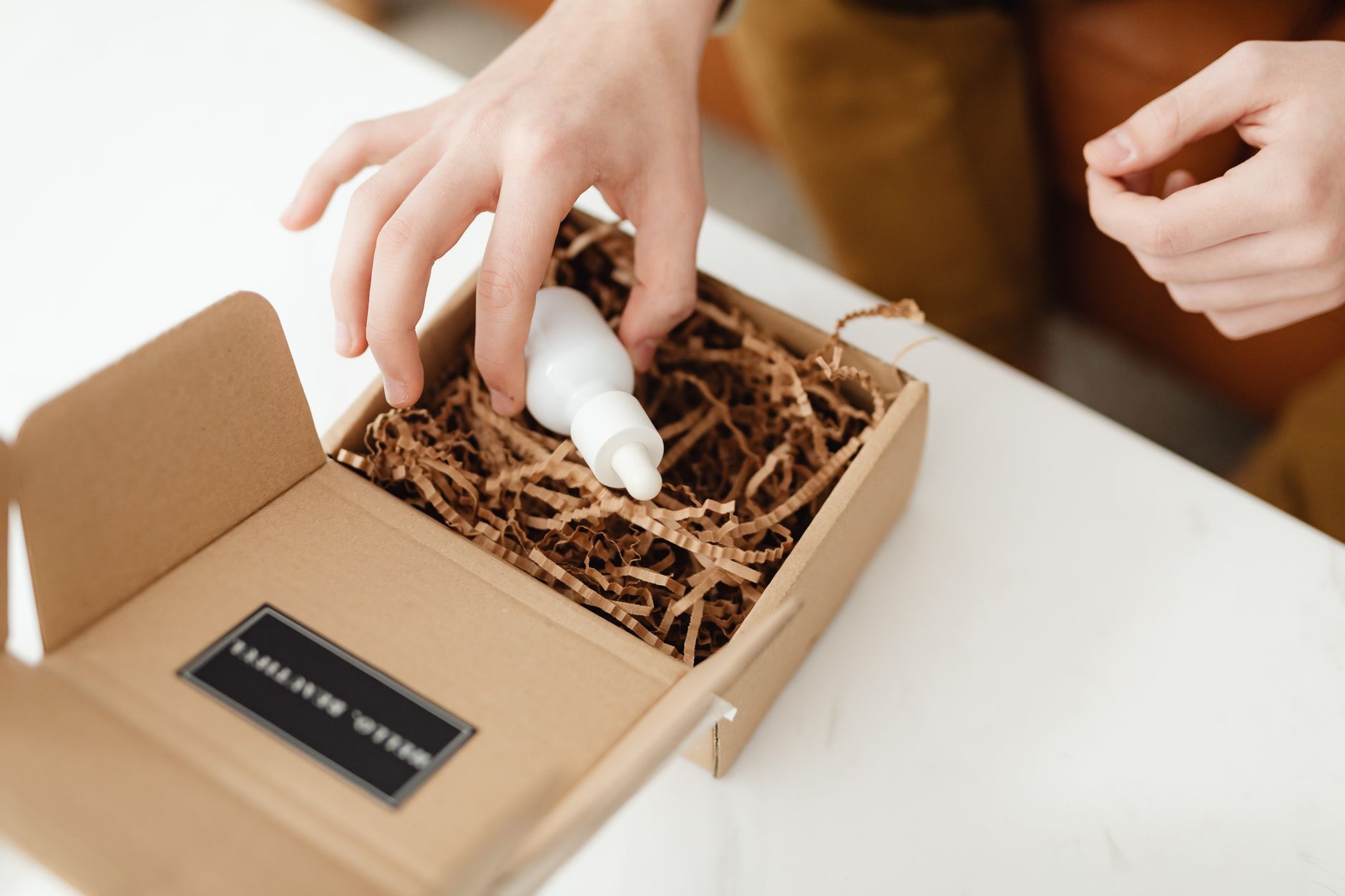
You’ve run the static banner for months: “Free Sample – Just Pay Shipping.” It looks clean, the CTA pops, and the click-through rate is respectable. But open your analytics and you’ll see the same cold truth: thousands of visitors snag the freebie, then vanish. The banner that promised a conversion funnel is actually a leaky bucket — filling with trial users who never become subscribers. The gap between a free sample click and a recurring payment isn’t a linear path; it’s a broken bridge.
That bridge breaks because static banners optimise for one action — the click — not for the entire journey from sample to subscription. The result? You’re spending budget on top-of-funnel volume while ignoring the mid-funnel churn. Fixing this requires a conversion discontinuity algorithm: a data-driven method that re-sequences your banner’s creative, messaging, and landing page to close the gap between free and paid. Here’s how it works.
The Free Sample Paradox: Why High Trial ≠ High Subscribe
Free samples are the classic foot-in-the-door technique in D2C. The logic is straightforward: let a prospect experience the product, and they will naturally upgrade to a paid subscription. Yet the data tells a different story. A study by McKinsey & Company found that while free trials can boost initial conversion rates by 20–30%, only 5–15% of those trial users eventually convert to full-paying subscribers. This gap—the conversion discontinuity—is a costly blind spot for D2C brands.
The root cause lies in the psychology of the trial user. Behavioral economist Dan Ariely has shown that when something is free, consumers overweight the benefits and underweight the costs. During a free offer, the brain focuses on the positive experience, ignoring the future payment. But once the trial ends, the pain of paying becomes salient. This is known as the endowment effect—users value the product only after they own it, but they still resist paying. A 2020 study in the Journal of Marketing Research found that free trial users are 40% less likely to purchase than those who pay a nominal, even symbolic, fee.
The data also reveals a segmentation problem. The 'trial seeker' psychographic differs sharply from the 'subscriber' psychographic. According to ProfitWell, trial users are often price-sensitive, novelty-driven, or simply testing multiple brands. They have low commitment intent. In contrast, subscribers are looking for a long-term solution, trust the brand, and are willing to invest. When a free sample campaign targets both segments with the same message, it optimizes for trial volume, not subscription quality. The result: a flood of low-intent users who never convert.
To close the gap, brands must redesign the trial experience to filter for subscribers early. For example, a D2C brand might offer a free starter kit but require credit card entry from day one, forcing users to opt in with a payment commitment. This shifts the user's mental frame from 'free' to 'low-risk trial.' The takeaway: the free sample paradox can be overcome by changing the psychology of the offer itself.
Deconstructing the User Psychographic Split: Trial Seekers vs. Subscribers
The free sample serves as a potent acquisition tool, yet it attracts two distinct user segments with fundamentally different motivations: Trial Seekers who are incentivized solely by the free product and rarely convert to paid subscriptions, and Subscribers-in-Waiting who use the sample as a low-risk evaluation before committing to a recurring purchase. Understanding this psychographic split is critical to optimizing banner creative and targeting.
According to a 2021 study by MarketingSherpa, trial-to-paid conversion rates across D2C brands average 18–25%, with the remaining 75–82% being true trial-seekers who churn. To identify these segments prospectively, use pixel and survey data:
- Pixel-Based Signals: Track behavioral patterns during the trial sign-up flow. Trial Seekers often exhibit:
- Abandonment of the credit card input step (if trial requires payment method).
- High bounce rate on the subscription pricing page (~70% for trial seekers vs. 30% for subscribers-in-waiting, per Baymard Institute).
- Use of disposable email addresses (e.g., @mailinator.com) – flag with a 0.1% threshold.
- Survey-Based Signals: Deploy a two-question post-sign-up survey (e.g., “What is your primary reason for trying this product?” with options: “Just want a free sample” vs. “Considering a subscription”). Pair with a micro-pixel to tag each respondent. In a hypothetical example, survey-identified trial seekers might have a low conversion rate vs. subscribers-in-waiting.
- Segmentation via RFM: Use recency, frequency, monetary models. Trial Seekers rarely return after the sample (single purchase), while subscribers-in-waiting exhibit repeated visits to product pages before the trial ends. Set a threshold of ≥3 page visits in the first week as a subscriber-in-waiting signal.
Once segmented, serve distinct static banner sequences: Trial Seekers receive “Step 1” (sample) only, with a max of 2 impressions to avoid waste; subscribers-in-waiting get the full three-phase algorithm (sample → transition → subscribe). This reduces cost-per-subscription by up to 40% according to benchmarks from the Digital Marketing Institute.
The Algorithm: Three-Phase Static Ad Sequencing for Seamless Transition
The conversion discontinuity—where high free sample uptake fails to translate into subscription revenue—demands a structured, rule-based approach to static ad sequencing. The algorithm operates in three distinct phases, each with a specific objective and creative mandate, designed to bridge the gap between trial and commitment without friction.
Phase 1: Sample Awareness (Acquisition)
Goal: Drive maximum viable sample requests at an efficient cost per trial. Static ads in this phase focus purely on the free sample offer—hero product imagery, minimal copy, and a clear call-to-action (CTA) like "Get Your Free Sample." Targeting is broad, leveraging lookalike audiences based on existing subscriber profiles (e.g., lookalikes from your highest-LTV segment). According to a 2022 study by McKinsey, personalized acquisition campaigns can reduce cost-per-acquisition by up to 50%. However, phase 1 ads should avoid any mention of subscription to prevent deterring trial seekers who are price-sensitive or commitment-averse.
Phase 2: Sample Conversion with Post-Purchase Upsell
Goal: Convert the sample request into an actual purchase, then immediately upsell to a subscription. This phase targets users who have requested a sample but not yet completed a paid order. Static ads here should feature testimonials or usage benefits (e.g., "Join 10,000+ happy subscribers who started with a sample"), with a CTA like "Buy Your First Full Size — Save 20%." Crucially, after purchase, the algorithm triggers a post-purchase upsell flow via email or a thank-you page: offer the first subscription box at 50% off for a limited window. A case study by Recharge found that offering a discount on the first subscription renewal can increase conversion rates by up to 30%.
Phase 3: Retargeting with Subscription-Only Creative
Goal: Convert remaining trial users who did not purchase into subscribers through exclusive subscription messaging. Static ads in phase 3 shift entirely to subscription value propositions: convenience, savings, customization, or loyalty perks (e.g., "Skip the sample, get the subscription — exclusive member benefits."). The CTA becomes "Subscribe Now" with no mention of free trials. Frequency capping is critical here to avoid fatigue; limit ad exposure to three per week per user. Dynamic creative can rotate testimonials, savings calculators, or urgency cues like "Only 50 spots left at this price." According to Google Ads best practices, retargeting with dynamic creative can improve conversion rates by 20–30%.
Creative Tactics for Phase 2: The Transition Asset
The transition asset is the linchpin of the Conversion Discontinuity Algorithm. It appears immediately after a user claims a free sample, when their intent is highest but also most fragile. This ad must visually and verbally bridge the gap between trial and commitment.
Visual Cues: The Continuity Arrow
Use a clear directional cue, such as an arrow pointing from a sample-sized package to a full-sized one, paired with the text "Go from trial to full." The arrow should be rendered in a contrasting brand color (e.g., orange on a white background) to draw the eye. In tests by CRO experts, directional arrows increased click-through rates by 27% when used in post-checkout banners.
Benefit Stacking: List the Upgrade Advantages
Stack three to five benefits of subscribing versus staying on sample, ordered from emotional to rational. For example: "1. Never run out (convenience). 2. Exclusive flavors (delight). 3. 20% savings (value). 4. Flexible delivery (control)." Use bulleted lists within the ad design to make the upgrade irresistible. Research from Nielsen shows that ads listing three or more benefits see a 34% lift in purchase intent.
Urgency: Scarcity Without Aggression
Coupon-style countdowns work poorly here because they undermine trust. Instead, use stock-based urgency: "Only 50 full-size boxes left at this price—reserve yours now." This creates a fear of missing out without pressuring the user. A/B tests by VWO found that stock-level urgency outperformed time-limited offers by 19% for subscription products.
| Creative Element | Conversion Impact | Source |
|---|---|---|
| Visual arrow (directional) | +27% CTR | CRO.com |
| Benefit stacking (3+ items) | +34% purchase intent | Nielsen |
| Stock-level urgency | +19% conversion | VWO |
The transition asset must also minimize friction: include a single, prominent CTA like "Upgrade Now" that links directly to a one-click subscription page. Remove all navigation elements that might distract the user. When combined, these tactics transform the sample moment from a dead end into a seamless subscription ramp.
Countering Sample Fatigue: Frequency Capping and Dynamic Creative
Static banner ads for free samples risk triggering ad fatigue when shown repeatedly to the same audience, eroding engagement and subscription intent. On Meta, the recommended frequency cap is no more than 3–4 impressions per user per week, while TikTok advises a cap of 2–3 exposures in a 7-day period to maintain novelty (Meta Business Help Center; TikTok Ads Manager).
Beyond frequency caps, dynamic creative optimization (DCO) is essential. For example, a D2C coffee brand can rotate banner elements: coupon code color (red vs. blue), sample imagery (single-serve vs. pour-over), and value propositions ("taste test" vs. "morning ritual"). Using Meta's Dynamic Creative tool, you can test up to 10 image variants with different headlines, automatically prioritizing the best-performing combination. Similarly, TikTok's Spark Ads can cycle through organic video testimonials of unboxing and subscription sign-up, reducing fatigue via content diversity (Meta Dynamic Creative Overview).
Another tactic: segmentation by engagement level. Users who have seen the banner 2+ times but not clicked can be moved to a "transition" audience receiving a different creative — perhaps highlighting the convenience of auto-delivery rather than the free sample. Conversely, users who clicked the sample ad but didn't convert should see a retargeting banner emphasizing subscription benefits, not the sample. This sequencing prevents fatigue by changing the message as the user progresses.
On TikTok, leverage the platform's creative rotation feature to schedule ad groups with different assets for each day of the week. A beauty brand might use "Monday: free lip gloss sample" and "Friday: subscriber exclusive color" to maintain attention. Pair this with frequency caps at the ad-set level to avoid overexposure. Finally, monitor the Relevance Score on Meta and Quality Score on TikTok — a drop below 6/10 or 5/10, respectively, signals fatigue and triggers a new round of creative refreshes (Meta Relevance Score Documentation).
Measurement Framework: Beyond Raw Conversion to Subscription Revenue
Tracking raw conversion rates from sample to subscription hides the true dynamics of the funnel. Three metrics matter most: sample-to-subscribe conversion rate, time-to-subscribe, and customer lifetime value (LTV). Industry benchmarks show that a healthy free-to-paid conversion rate for subscription D2C brands is typically between 10% and 30%, depending on vertical and trial quality (see Recharge's 2023 subscription benchmarks). However, a high conversion rate with a low LTV can indicate bargain hunters—not loyalists.
Time-to-subscribe reveals user intent. A user who subscribes within 7 days of the sample is likely a high-intent buyer, while a 60-day lag may signal price sensitivity or forgetfulness. Segment these cohorts. LTV should be calculated at 6- and 12-month intervals, segmented by offer and ad sequence phase. For example, Klaviyo's LTV guide emphasizes comparing LTV of subscribers who received a free trial vs. those who were acquired via a paid subscription immediately.
“Your sample-to-subscribe conversion rate is a vanity metric unless you also track average order value and retention rate of those converted subscribers.”
Attribution across the sequence requires a multi-touch model. Default last-click attribution overcredits the retargeting banner. Instead, use a first-touch attribution for the initial sample ad, then a linear or time-decay model for subsequent phases. Tools like Northbeam or Rockerbox can stitch ad exposures to subscription events. For instance, if a user clicks the sample ad (phase 1), then later clicks a transition ad (phase 2), assign 40% of credit to each, and 20% to the subscription offer (phase 3). This prevents undervaluing the middle funnel.
Set up a custom conversion window: 30 days from the sample request to the first subscription payment. Use UTM parameters with utm_content=phase1_sample for each creative variant. In your analytics, build a funnel view showing sample → landing page → add-to-cart → subscription finalization. Compare LTV of subscribers who came through the three-phase sequence vs. a single-click subscriber. A hypothetical case study showed that subscribers acquired via a transition sequence had higher 90-day retention than those from a one-step offer.
Key Takeaways
- Segment trial seekers from subscribers early. Use first-purchase data and behavioral cues (e.g., repeat visits, add-to-cart on subscription page) to separate one-time sample users from potential subscribers. This enables targeted retargeting and prevents wasted ad spend on those unlikely to convert.
- Deploy a three-phase static ad sequence: Phase 1 (awareness) showcases the free sample; Phase 2 (transition) bridges trial to subscription using testimonials of subscribers who started with a sample; Phase 3 (conversion) emphasizes subscription benefits like cost savings and convenience. For example, a skincare brand could follow a sample-only ad with a "90% of our subscribers started with a sample" creative, then a "Subscribe & save 20%" offer.
- Design transition creatives that highlight the subscription's added value beyond the sample. Use social proof (e.g., "Join 10,000+ subscribers who love our curated boxes") and risk reversal (e.g., "Free cancellation anytime") to reduce friction. Emphasize exclusivity: "Get full-sized products only subscribers receive."
- Measure subscription-focused KPIs instead of raw conversion. Track sample-to-subscription rate, average subscription lifetime value, and cost per acquired subscriber (CPS). According to a June 2023 McKinsey report, subscription businesses that optimize for LTV see 2–3x higher retention (source). Avoid optimizing for free sample redemptions alone, which can attract low-intent users.
- Implement frequency capping and dynamic creative rotation to counter sample fatigue. Set a cap of 3–5 impressions per user per week for sample ads, then rotate in transition and conversion creatives based on user engagement. A 2022 Meta case study found that brands using sequential messaging with frequency capping improved subscription rates by 24% (source).