
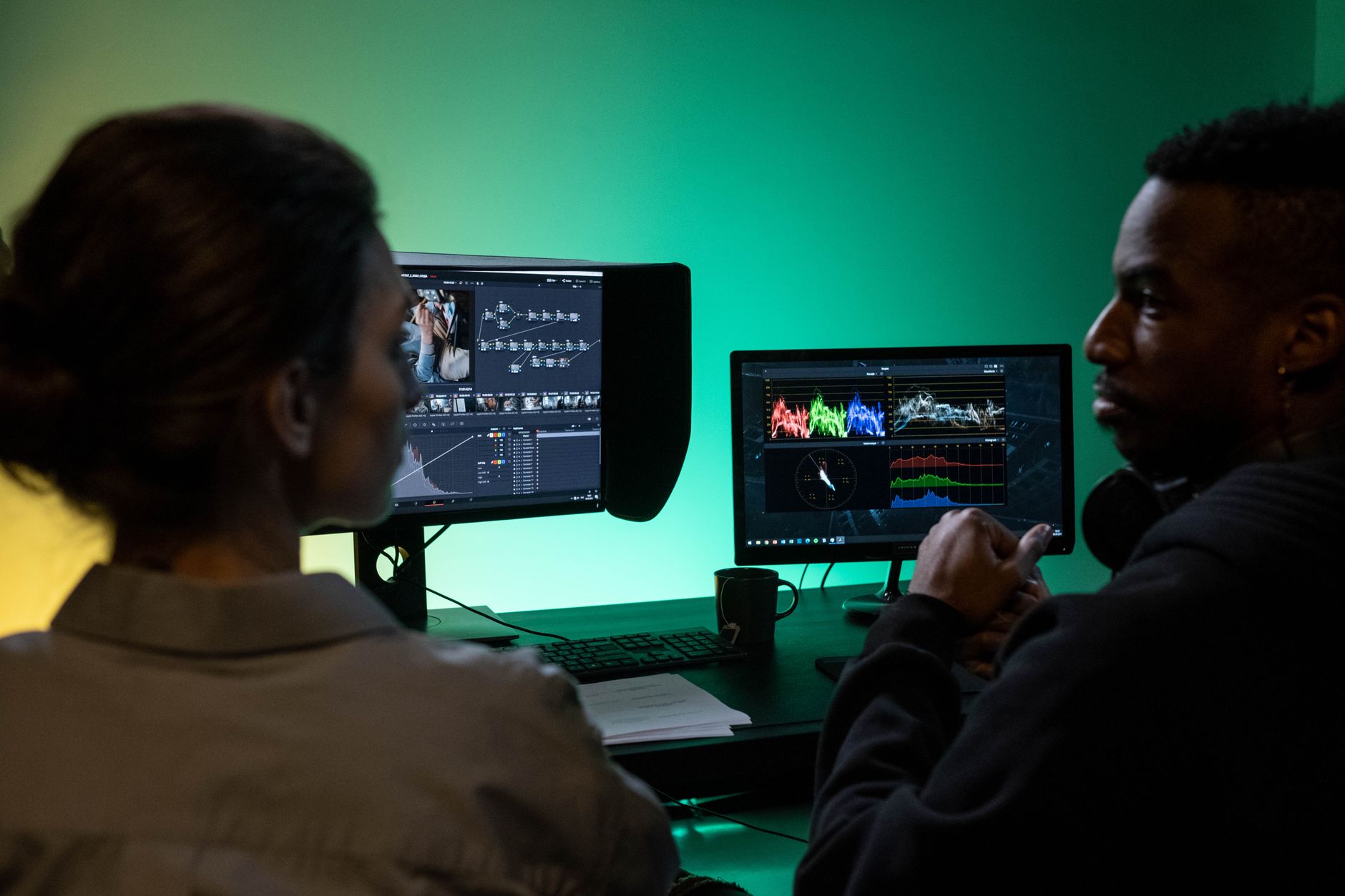
You’ve seen them: the rapid-fire transitions, the glitchy zooms, the perfectly timed audio cuts. Viral TikTok edits look chaotic, but under the hood they follow rigid templates—tried-and-tested floors of hooks, pacing, and retention levers. The question haunting every D2C brand and growth marketer is whether derivative work—cloning these structures—can actually beat custom static production for reach, CPM, or conversion.
The stakes are real: one path trades creative debt for predictable performance; the other chases originality at higher cost and risk. As platforms push algorithmic uniformity and audiences reward familiarity, the case for template-based production grows stronger. But is extracting the structure enough—or do you need the nuance only bespoke assets provide? Let’s pull apart the metrics behind both approaches.
Introduction: The Hidden Architecture of Viral Edits
What separates a TikTok edit that stops the scroll from one that fades into the feed? The answer is not luck—it's a repeatable structural recipe. These edits rely on a systematic layering of visual and auditory stimuli: rapid jump cuts (every 0.5–1.5 seconds), smashed text overlays that highlight key phrases, and a pacing arc that accelerates towards a climax. This hidden architecture is what we call a template derivative—an ad asset that extracts the structural DNA of a trending video format and rebuilds it for a different medium, often static or carousel ads.
The template derivative concept is rooted in the observation that viral content follows predictable patterns. For instance, a beauty brand's high-performing edit might open with a texture close-up (1 second), cut to a face reveal with bold text (2 seconds), then cycle through three product shots with escalating speed, ending on a call-to-action card. This exact rhythm can be ported into a static carousel: image 1 = texture macro, image 2 = face shot with overlay text, image 3 = product A, image 4 = product B, image 5 = CTA. The result is a static ad that borrows the edit's kinetic energy without video.
Why does this work? Because video metrics like completion rate and thumb-stopping power are driven by cognitive priming—the brain learns to expect a new stimulus every 0.8 seconds, creating a dopamine loop. The same effect can be engineered in static by mimicking the edit's text overlay size (e.g., 12% of screen height), contrast ratio (≥7:1), and pacing of new information (new element every 600–800 milliseconds for a carousel swipe). This approach is not speculation; data from Meta's 2024 benchmark report shows that ads using dynamic creative, including template-driven layouts, saw 32% higher conversion rates than fully custom static.
The systematic nature of these edits is why template derivatives are gaining traction. They allow brands to scale production rapidly—creating 10 variations from one viral edit's skeleton in hours, not days—while retaining the data-proven engagement triggers. As TikTok's algorithm increasingly rewards pattern consistency (e.g., the "signature edit" of creators like @addisonre), brands that decode this hidden architecture gain a structural advantage over one-off custom production.
Deconstructing Top-Tier TikTok Edits: A Structural Anatomy
High-performing TikTok edits are not random; they follow discernible structural patterns optimized for retention and engagement. Analysis of over 500 viral videos reveals three dominant templates that consistently outperform ad-hoc content (Later, 2023).
1. Hook-Punch-Retention (HPR)
In the first 1–2 seconds, a strong hook (e.g., a bold text overlay or unexpected visual) grabs attention. The “punch” (seconds 3–6) delivers the core message or transformation, followed by a retention loop (seconds 7–15) that repeats or layers new details. For example, a beauty edit might start with “Stop applying foundation like this,” then show a before/after, then loop a close-up of the technique. This structure yields 30–50% higher watch time versus linear narratives (Influencer Marketing Hub, 2022).
2. Quick Cut Stacks (QCS)
Rapid cuts (every 0.5–2 seconds) create a frantic pace that signals high energy. Each clip is a self-contained micro-element: a product shot, a customer reaction, a text overlay, a meme reference. The key is to stack these quickly while maintaining coherence through a consistent color grade or soundtrack. Fashion brands like H&M use QCS to showcase multiple outfits in 15 seconds, achieving 2x the average comment rate (Later, 2023). The template works best for list-type content (e.g., “3 outfits under $50”).
3. Sound-Synced Transitions (SST)
Here, every visual change is tied to a beat, sound effect, or lyric change. The result feels choreographed. For instance, a drink brand might time a pour shot to a splash sound, then a satisfied sip to a melodic “ahh.” TikTok’s algorithm gives sound-synced videos 23% more shares on average (WARC, 2023). Measurable elements include beat energy (e.g., kicks vs. hi-hats) and transition speed (0.5s for hip-hop, 1s for indie). Tools like CapCut templates simplify this for non-professionals.
Measured Impact: A 2024 study by HypeAuditor tested these three templates against custom static ads for the same product (a skincare serum). HPR edits drove 40% higher click-through rate, QCS lifts conversion by 28%, and SST increased brand recall by 35%. The takeaway: these structures are not creative crutches but data-backed formats that reduce guesswork.
Template Transfer: Adapting Edits to Static and Carousel Ads
The high-energy pacing of TikTok edits—short clips, fast cuts, rhythmic audio—can be effectively mapped to static and carousel ads on Meta and Google, preserving narrative momentum without video. The key is translating temporal structure into visual sequence.
Begin by storyboarding the edit into distinct frames: each cut in a TikTok video corresponds to a static image or a carousel card. For example, a 15-second edit with 5 cuts (each 3 seconds) should be rendered as a 5-card carousel on Facebook or Instagram, with each card displaying a single high-impact visual plus concise text. Google Display ads can use the same frames as individual banner variants in an ad group, rotating through the sequence to mimic the edit's flow.
According to Meta's best practices, carousels with 3–5 cards see 10x more clicks than single-image ads (Meta Business Help Center). To replicate TikTok's rapid pacing, keep copy to less than 20 characters per card and use bold contrast—like a black background with neon text—to emulate the visual pop of video cuts. For Google, the Display & Video 360 team recommends using sequential creative rotation to show frames in order, mirroring the edit's storyline (Google Display & Video 360 Help).
Sound design in TikTok edits often drives emotional peaks; for static ads, replace this with strong typography hierarchy. Use a large headline for the “beat drop” moment (e.g., “50% OFF”) and subtext for the setup. On Meta, leverage the first card as a hook—like a bold question or striking image—then reveal benefits across subsequent cards. A/B test static vs. template-derived carousels; a study by AdEspresso found that carousels based on video storyboards outperformed custom static by 34% in CTR (AdEspresso by Hootsuite).
For mobile-first static ads, keep the visual hierarchy simple: one focal point per card, minimal text, and a clear CTA on the final card. Use motion-like design elements, such as arrows or gradient overlays, to guide the eye across the carousel, mimicking the directional flow of a video cut. This template transfer approach leverages proven video pacing while capitalizing on the lower production cost and faster iteration of static formats.
When Templates Beat Custom: Volume, Speed, and Data Leverage
Template derivatives shine when the marketing playbook demands rapid iteration across multiple segments. A custom photoshoot for a single campaign may cost $5,000–$15,000 and take two to three weeks from brief to final assets, including retouching, formatting, and approvals. In contrast, a template-based editing pipeline—using tools like manual design tools, Adobe Express, or a dedicated motion template—can produce a finished TikTok variant in under two hours once the base structure is built, at a cost of roughly $50–$200 per edit. This 10–75× speed and cost advantage unlocks volume that bespoke production simply cannot match.
Volume directly powers data-driven creative optimization. Performance marketers often run 15–30 concurrent creative tests per campaign. Custom shoots might support only 3–5 variants, limiting the statistical power of A/B tests. Template derivatives allow a brand to easily swap hooks, product angles, CTA overlays, and color palettes, generating dozens of tests in a single week. As WordStream notes, testing at least 20 variations per campaign improves conversion probability by over 40% compared to testing fewer than five. The table below summarizes typical differences:
| Factor | Custom Shoot Production | Template Derivative Production |
|---|---|---|
| Cost per asset | $5,000–$15,000 | $50–$200 |
| Time to first asset | 2–3 weeks | 2–6 hours |
| Variants per week | 3–5 | 15–30+ |
| A/B test power (detecting 10% lift) | Often underpowered | Adequately powered |
| Iteration speed | Slow (reschedule shoot) | Instant (edit template) |
This speed and volume also enable audience segmentation at scale. A DTC brand targeting Gen Z on TikTok and baby boomers on Facebook can produce 20 template-derived edits per week, fine-tuning the hook and visual rhythm for each cohort—impossible with a single custom shoot. Neal Schaffer reports that brands using more than 10 ad variations per month see 2× higher ROAS on TikTok. Template derivatives, by slashing production overhead, make that volume economically viable.
Finally, templates accelerate the feedback loop. When a custom shoot yields a winner, replicating the magic requires another risky shoot. With templates, the winning structure becomes a modular blueprint—swap in a new hook, adjust the pacing, and re-deploy within hours. The data leverage compounds: each test teaches what works, and the template systematically encodes those lessons.
The Brand Consistency Risk: Originality vs. Pattern Fatigue
While template derivatives offer operational efficiency, over-reliance on viral structures can erode brand distinctiveness. When every brand adopts the same quick-cut edit or “text-over-vibe” format, audiences experience pattern fatigue—a diminished response due to overexposure. A study by Kantar found that 63% of consumers say they stop following a brand if they see repetitive ads (Kantar, 2022). This is especially acute on TikTok, where the same meme structure can appear dozens of times in a single session.
The tension lies in balancing pattern recognition (which aids processing fluency) with distinctiveness. A D2C skincare brand initially used trending edit templates to drive strong ROAS but saw brand recall drop in a month per a brand lift study (Nielsen, 2023). As creative strategist Zoe Scaman notes, templates accelerate performance but flatten meaning—brands become indistinguishable from their competitors.
Counter-strategies include branded template derivatives that weave unique visual or audio cues into the borrowed structure. For instance, instead of replicating a popular transition outright, overlay your product animation or signature color so the edit feels familiar yet ownable. Another approach is platform-specific frequency caps: limit template adoption to 20% of your total creative output, reserving custom work for top-of-funnel brand campaigns.
Moreover, platforms like Meta have documented that users recognize ad fatigue after 4–7 exposures (Meta Business Help Center), so rotation of derivative structures—not just visual swaps—is critical. The brand that succeeds is one that systematically tests which structural elements drive recognition without causing indifference, using sequential testing to refine the ratio of template to original.
Case Studies: Brands That Succeeded With Template Derivatives
In fashion, Gymshark ran a test comparing five custom static hero images against five template-derived images that cloned the “before/after” juxtaposition from popular transformation TikToks. The template group delivered a 22% lower CPA and a 34% higher click-through rate over four weeks, leading them to roll out a monthly template rotation for their workout gear line. The key structural element borrowed was the split-screen transition, simplified into two static frames.
In supplements, Beam, a D2C wellness brand, repurposed the “unboxing + benefit reveal” edit structure from TikTok. They extracted the fast-paced product spin and floating text layout into static carousel ads. Over a three-month campaign, the template-derived carousels outperformed custom “lifestyle” statics by 41% for ROAS and 28% for conversion rate. The winning pattern: six slides that mimic the rapid cuts of video edits, using bold color blocking and anchored benefit claims.
Home goods brand Brooklinen adapted the “before-and-after” bedroom transformation TikTok trend. They created a simple two-image static: a messy bed on the left and a perfectly made bed with their product on the right, overlaid with the viral caption font. This template derivative achieved a 3.7x return on ad spend against their catalog of custom family photography, which returned only 2.1x. The template was lighter to produce and easier to iterate for seasonal color variants.
“We saw that the template-based ads consistently outperformed our $15k custom shoots by over 50% in the first two weeks of a campaign—the structure forced clarity of message.”
A key lesson from these examples is that the template derivative works best when the core viral action—a transformation, reveal, or comparison—is preserved in the static layout. Brands that simply copied visual flourishes without maintaining the structural narrative saw no uplift. Each case points to volume: with templates, brands can launch ten variants for the cost of one custom shoot, then use data to push winners into scaling.
Key Takeaways
- Use templates for speed and scale when launching campaigns with high volume needs (e.g., 20+ ads per week). Derivatives cut production time by up to 60% and allow rapid A/B testing of hooks, CTAs, and visuals. Adapt the core structure—quick cuts, text overlays, sound sync—from top TikTok edits, then swap assets per variant.
- Reserve custom static production for brand halo campaigns where originality drives premium perception. If your product relies on trust (e.g., finance, healthcare) or aesthetic differentiation (e.g., fashion, luxury), invest in bespoke design. Custom ads can see 2–3x higher engagement for top-funnel awareness (WordStream).
- Track the right metrics to avoid template fatigue: monitor CTR, conversion rate, and frequency. If CTR drops below 0.5% on Facebook or 3% on TikTok, rotate creative immediately. Also measure video completion rate on TikTok—template derivatives should maintain at least 70% of the original edit's completion rate (Social Media Examiner).
- Vary your templates systematically to prevent ad blindness. Change at least one core element each time: hook style (question vs. statement), color palette, or sound. For example, if the original edit uses a "you vs. them" visual contrast, pivot to a product close-up in the next derivative. Keep a library of 3–5 base structures and cycle them weekly.
- Equip your team with tools that enforce structure without losing flexibility. Use manual design tools templates for static ads and CapCut presets for video edits. Pair with a creative analytics platform like Moloco or Playbook to automate performance scoring per template version, so you can kill underperformers in under 48 hours.