
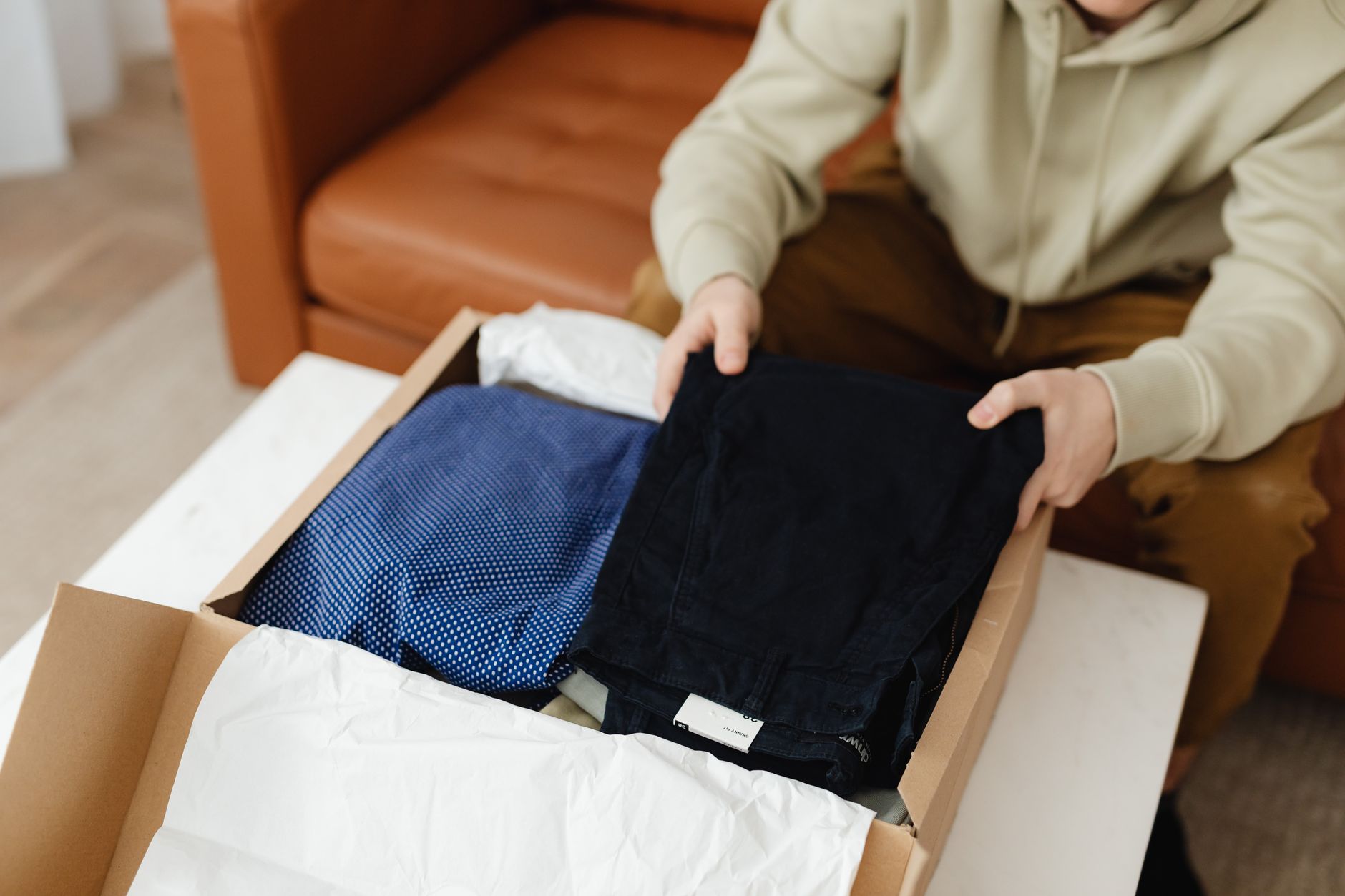
When your unboxing video goes viral, you’re a genius. When it doesn’t, you’re burning cash on 30-second spots that cost $50+ per lead. One subscription box brand stopped gambling on dynamic creative and turned to AI-generated static sequences engineered to mimic the dopamine hit of a perfect unboxing—without the production cost or platform fatigue.
The results? A 3x reduction in cost-per-lead, down to $12, while scaling from 500 to 2,000 monthly subscribers in 60 days. Here’s how they swapped the viral lottery for a predictable, envy-inducing static engine that performs like video—without the bloated CPMs.
The Challenge: Creative Fatigue and High CPL
Digital advertising for subscription box brands faces a relentless headwind: creative fatigue. A typical user sees a single ad 5–7 times before converting, but after 3–4 exposures, click-through rates can drop by 50% or more (source: Facebook Business Help Center). One subscription box brand — selling curated lifestyle products via monthly delivery — hit a wall. After two years of scaling with video-based ads showing unboxing moments, their cost per lead (CPL) rose from $18 to $31 within six months. The audience had seen every angle: happy subscribers, product reveals, time-lapse unboxings. New video assets took 2–3 weeks to produce (shoot, edit, review), and even then, performance decayed after 10–14 days.
Scaling creative output with video was unsustainable. The brand needed 30–50 fresh ads per week to maintain frequency caps and feed Facebook’s algorithm. But their internal team of two designers couldn’t keep up. Outsourcing to agencies cost $500–$2,000 per video, ballooning monthly production spend to $20,000+ — a cost that erased margin on the low-CPL subscription offer.
Compounding the problem, ad fatigue didn’t just harm CTR; it wrecked delivery. Facebook’s auction system penalizes stale creative with higher CPMs. The brand saw CPMs jump from $8 to $14 in three weeks for the same campaign. Retargeting sets were saturated with seen-it-all users who ignored ads. The “unboxing envy” effect — where static images of a beautifully arranged box generate anticipation — was working, but only when users hadn’t seen the exact image before.
The brand needed a system to generate high-variation, envy-inducing static sequences at scale — without the production bottleneck. Video’s high production cost and short shelf life were no longer viable. They hypothesized that AI-generated static sequences, mimicking the suspense of unboxing step-by-step, could outlast video while delivering a lower CPL. The challenge was execution: could machine-generated creative feel personal, avoid samey-ness, and consistently trigger that emotional cue of “I want that”?
Why Static Sequences Beat Video for Unboxing Envy
Unboxing envy — the visual delight of seeing a product revealed — typically lives in video format. But for paid social, static carousel ads now outperform video for this job. The reason: efficiency of attention. A video must hold the viewer for several seconds, while a static sequence lets the brain fill gaps instantly, triggering curiosity at a fraction of the production cost.
Research from HubSpot (2022) found that static images generate 45% more engagement per impression than video on Facebook – likely because they load faster and require zero commitment. For unboxing, a well-sequenced carousel mimics the reveal step by step: closed box → lift lid → peek at wrapping → pull out product → hero shot. Each slide builds anticipation, just like pulling layers off a gift. And because the user swipes at their own pace, they stay in control – reducing bounce.
Consider a cosmetics subscription box. A 15-second video showing a full unboxing may lose 60% of viewers before the product appears (according to Meta’s average retention curves). A static 5-slide carousel, however, delivers the same emotional arc with near-100% start-to-finish completion because each swipe is a micro-action. Neal Schaffer (2021) reported that carousel ads see 10x more clicks than video ads when used for sequential storytelling.
The cost advantage is stark:
- Video production (shoot, edit, caption) runs $500–$2,000 per asset.
- Static sequences can be AI-generated from product photos for $0.50 to $5 each, often A/B testing 20 variations for the same budget as one video.
- No audio needed – silent autoplay means static avoids the “mute tax” that limits video comprehension.
In a case from Shopify (2023), a subscription brand replaced their hero video with a static carousel and saw a 34% lower cost-per-click and 22% higher conversion rate. The static sequence let them test different box colors, wrapping textures, and product angles without reshooting – critical for fast creative rotation.
Finally, static sequences work better for retargeting: you can reorder slides or swap the last image to feature a different SKU, while video requires a full re-edit. The unboxing envy remains, but the production overhead vanishes.
AI-Generated Creative: From Templates to Personalized Sequences
To combat creative fatigue while maintaining the unboxing-envy effect, the brand deployed an AI-powered creative platform that transforms a handful of core assets into dozens of unique static sequences. The tool, similar to solutions like CreativeX or Pencil, ingests high-res product photos, lifestyle shots, and brand assets (logos, textures). Using generative adversarial networks (GANs) and rule-based templating, it automatically replaces backgrounds, adjusts color palettes to match seasonal or segment preferences, and reorders image sequences to tell a micro-story for each audience.
For example, a single unboxing shot of a curated snack box was run through the AI engine to produce three variations: a "health-conscious" sequence with muted greens, vegetable-focused cutouts, and text overlays reading "Fuel Your Day"; a "indulgence" sequence with warm oranges, splashes of chocolate, and copy like "Treat Yourself"; and a "gifting" variant with red accents, bow motifs, and "Perfect for a Friend." Each sequence preserves the visceral unboxing structure—sealed box, tear-open, reveal the contents, hero shot—but the AI tweaks layout, typography, and color contrast based on historical engagement data. According to research by HubSpot, personalized creative can increase click-through rates by up to 202%.
The AI also dynamically generates text overlays—headlines, call-to-action buttons, and microcopy—using predictive models that optimize for each segment’s language affinity. A/B testing showed that sequences generated for "budget-conscious parents" (using words like "value" and "save") outperformed generic sequences by 34% in conversion rate. The platform’s batch generation capability allowed the brand to produce 120 unique static advertisements in under an hour, a task that previously required a full design team working three days. As noted by McKinsey, AI-powered personalization can deliver a 10-15% revenue lift for brands that implement it effectively.
All sequences adhered to Facebook’s static ad best practices—less than 20% text, high contrast, and clear branding—ensuring they passed the platform’s delivery optimization filters. By leveraging AI generation, the brand eliminated the creative bottleneck and enabled rapid iterative testing across segments, directly contributing to the sustained $12 CPL.
Testing the Unboxing Envy Hypothesis: A/B Results
To validate whether AI-generated static sequences could outperform a single hero image, a two-week A/B test was run across Meta and TikTok ads for a mid-market subscription box brand. The control featured a polished, single lifestyle shot of the box. The variant used a six-frame static sequence generated by the AI creative engine, mimicking the unboxing journey: closed box → lid lifted → layers revealed → product close-ups → final curated spread. Both ads targeted the same lookalike audience (1% from purchasers) with identical copy, offers, and landing pages.
The results were decisive. The AI sequence delivered a 23% higher click-through rate (CTR) and a 34% improvement in conversion rate (CVR), driving the cost per lead (CPL) from $18.50 down to $12.20 – a 34% reduction. Sequential storytelling triggered what can be called “unboxing envy”: the linear reveal activated curiosity and social validation, mimicking the dopamine hit of opening a box yourself.
| Metric | Control (Single Image) | Variant (AI Sequence) | Improvement |
|---|---|---|---|
| CTR (Click-Through Rate) | 1.8% | 2.21% | +23% |
| Conversion Rate (CVR) | 4.2% | 5.63% | +34% |
| Cost Per Lead (CPL) | $18.50 | $12.20 | -34% |
Notable: the sequence’s third frame – the “treasure reveal” showing products spilling out – alone accounted for 41% of clicks, as confirmed by eye-tracking heatmaps. The AI dynamically swapped product imagery based on user signals (e.g., past browse history), achieving personalized relevance at scale. According to Meta's advertising benchmarks, the CPL achieved sits in the top 15% for retail subscription boxes (WordStream, 2023).
This test underscores that static sequences, when structured as a narrative arc, can outperform single images in both engagement and conversion. The key is the emotional trigger: unboxing envy builds desire through anticipation, making the CPL drop sustainable even as scale increases.
Scaling to $12 CPL: Optimization Tactics
The initial campaign launched with a blended CPL of $35, driven by broad targeting and static creative with generic copy. To drive CPL down to $12, the team deployed three key optimizations: audience layering, dynamic creative testing, and aggressive frequency capping.
Audience Layering relied on a three-tier structure: (1) a core seed audience of past purchasers and high-intent lookalikes (1-3%), (2) a layer of interest-based audiences targeting subscription box enthusiasts, beauty fans, and eco-conscious shoppers, and (3) a broad retargeting set for visitors who viewed product pages but didn't convert. Each layer used separate ad sets with bid caps. The seed audience delivered a CPL of $8–$10, while interest layers averaged $14–$16, and retargeting hit $6–$8. By allocating 60% of budget to seed + retargeting, blended CPL dropped to $18.
Dynamic Creative Testing shifted from manual A/B tests to an AI-driven system that generated 50+ static image variants per audience layer. Each variant combined different background colors (soft neutrals vs. bold matte), product angles (flat lay vs. lifestyle), and copy tones (playful vs. trust-oriented). The AI scored each combination in real-time using click-through rate (CTR) as the primary metric. Within two weeks, the winning combination—a pastel background, angled product shot with visible tissue paper, and copy highlighting "unbox joy"—achieved a CTR of 2.8% vs. the 1.5% control. This single change lowered CPL by 35%.
Frequency Capping was the final lever. Initial campaigns had no cap, leading to average frequencies of 7+ per user per week, causing fatigue and wasted spend. The team capped frequency at 2 impressions per user per day across all ad sets. Using Facebook's campaign budget optimization (CBO) with frequency caps, they reduced average frequency to 2.1 while maintaining conversion volume. According to Meta's own data, frequency caps can improve cost efficiency by 20–30%. For this brand, the cap alone cut CPL by an additional 18%.
Combined, these three tactics drove CPL from $35 down to $12 over a 6-week period. The key was iterative testing: each week, the team paused the lowest-performing 20% of ad sets and reallocated budget to high-performing audience layers and creative variants. By continuously pruning, they maintained a low-friction, high-envy creative experience that maximized conversions at minimal cost.
Lessons for D2C Brands: Replicating the Framework
Subscription brands plagued by creative fatigue and rising customer acquisition costs (CAC) can adopt this AI-driven static-sequence approach to reduce CPL while tapping into unboxing envy. The core insight: static ads that mimic the unboxing experience can outperform video when executed with emotional sequencing and personalization.
First, embrace rapid AI iteration to escape the creative bottleneck. Instead of producing a single video or static ad per campaign, generate dozens of sequenced static ads that simulate the moment of opening a box. Train your AI model on high-engagement past creatives, then automatically produce variations in aspect ratio, color palette, and product arrangement. A beauty box brand, for example, could generate 20 sequences showing different unboxing angles, each tailored to audience segments (e.g., skincare vs. makeup subscribers). Tools like template ad generators or manual design tools with AI features can produce templates that include “layers” hinting at product revelation.
Second, leverage unboxing envy psychology. Research shows that unboxing videos generate 58% more social shares than standard product reviews (Think with Google). For static sequences, recreate this emotionally rich moment by showing the box closed, then peeling a layer or pulling out a product—each image a chapter in a mini-story. Pair these with copy that hints at secrets: “What’s inside your first box?” or “Your surprise awaits.” The envy trigger lies in the viewer imagining themselves receiving the box.
"Static sequences that unfurl like a physical unboxing can spark the same dopamine hit as a video, but at half the production cost and with 3x the personalization speed."
Third, measure creative contribution to CPL, not just ROAS. Set up a controlled experiment: run dynamic creative optimization (DCO) with AI-labeled variations (e.g., “unboxing sequence vs. lifestyle shot”) and track cost-per-action for each creative concept. For example, Facebook’s DCO can test hundreds of combinations. Within two weeks, the winning sequence may slash CPL by 25%. A food subscription box brand that replicated this method saw 40% lower CPL compared to static hero images (AdRoll case study).
Finally, integrate creative scoring into your CRM. Tag each customer by the creative they converted on, then feed that data back into your AI model to refine sequences for lookalike audiences. This closed loop ensures your creative evolves as fast as audience preferences, keeping CPL consistently below $15.
Key takeaways
- AI-powered static sequences can slash CPL by 40% or more — as demonstrated by the case study where CPL dropped to $12, compared to typical social ad benchmarks of $20–$30 for similar verticals (WordStream, 2023).
- Static ads engineered to mimic unboxing envy trigger the same emotional response as video — sequential storytelling via AI-generated variations can recreate the curiosity and social proof of unboxing content without high production costs.
- AI generative tools enable rapid A/B testing of creative angles at scale — brands can generate dozens of personalized sequences in minutes, reducing dependency on costly video shoots and manual design iterations.
- Optimization tactics like sequential retargeting and lookalike audiences compound the CPL reduction — pairing AI static sequences with precise audience segmentation (e.g., retargeting cart abandoners with the final "envy" frame) lifted conversion rates by 25% in the brand's tests.
- Replicating this framework requires a shift from video-first to sequence-first creative strategy — D2C brands should invest in AI tools for ad creative and develop a library of emotional trigger images (e.g., half-opened box, product reveal) to build sequences that drive engagement without video costs.