
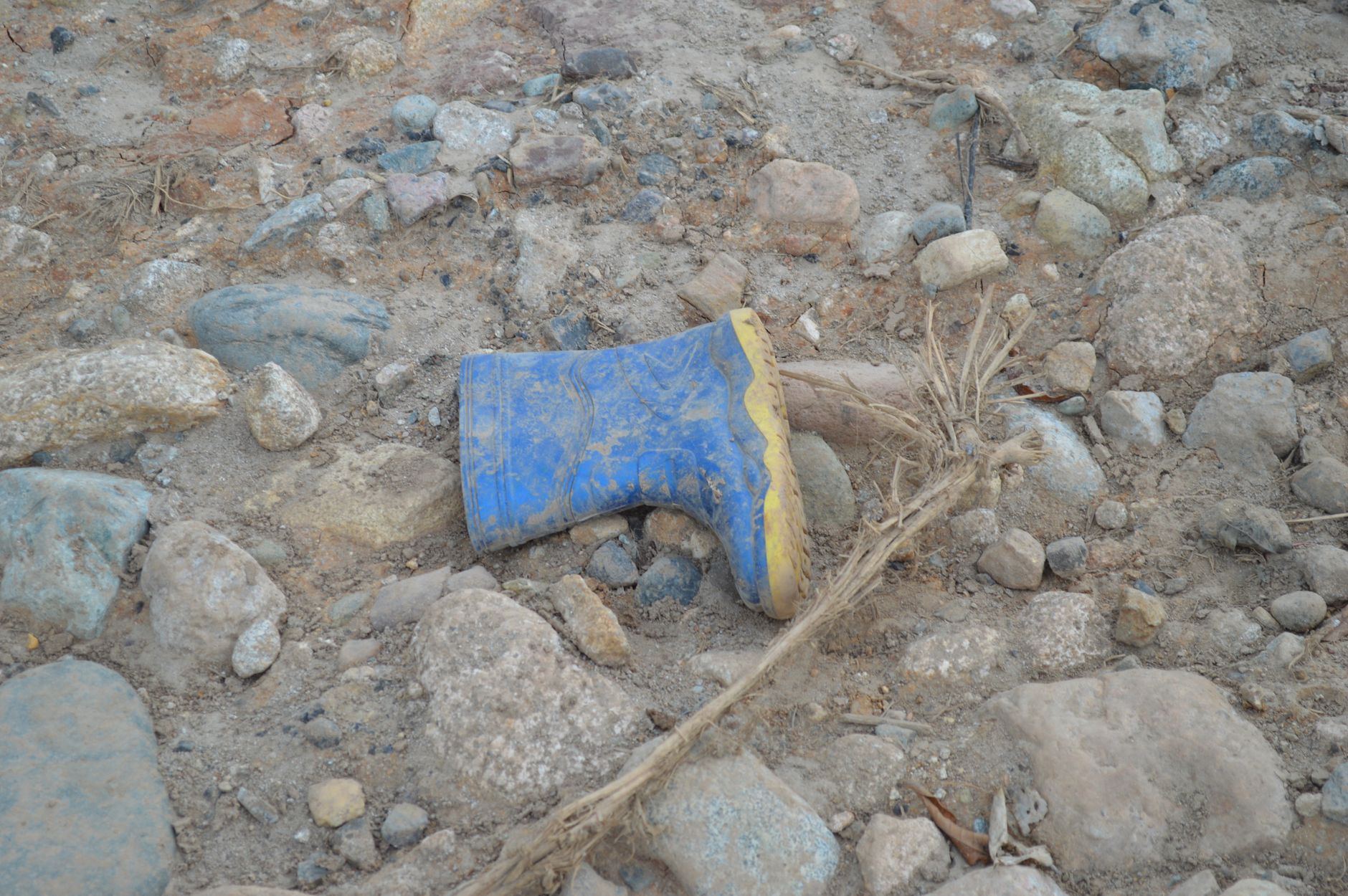
Your customer’s well-loved hiking boots were their go-to for weekend trails — until the sole peeled back mid-hike. They didn’t notice the gradual delamination, the slow wear on tread, or the subtle loss of waterproofing. That moment of failure didn’t just ruin a trip; it likely cost you a re-order. Most outdoor gear brands treat damage as a binary event — broken or not — but every product tells a story of incremental decline. The brands that capture that story, and surface it at the right moment, turn inevitable wear into repeat revenue.
The stakes are higher than a lost sale: in D2C outdoor gear, lifetime value hinges on the first reorder, and 88% of shoppers say personalized experiences influence re-buy decisions. Yet most brands send generic reorder emails or none at all. Building cohort empathy — understanding exactly how each product deteriorates for different usage segments — is the unlock. This playbook shows you how to map gradual damage, trigger reorder urgency, and win the second purchase before the first fails.
Why Gradual Damage Resonates with Outdoor Cohorts
Outdoor gear users are fundamentally different from typical consumer segments. They value authenticity, durability, and the stories embedded in their equipment. When a boot shows scuffs, a jacket loses its DWR coating, or a tent pole fatigues, these aren't seen as failures—they're badges of mileage and memories. This mindset makes gradual damage an empathetic trigger rather than a negative prompt.
Research from the Outdoor Industry Association reveals that 74% of outdoor enthusiasts consider sustainability and product longevity as key factors in purchasing decisions (Outdoor Participation Trends Report 2022). These consumers are trained to monitor gear condition, often documenting wear through community forums and reviews. For example, on platforms like Reddit's r/Ultralight, threads analyzing tread wear patterns on trail runners generate hundreds of engaged comments. This behavior indicates that outdoor cohorts are actively seeking signals of degradation—they just need brands to translate those signals into actionable reorder cues.
Empathetic storytelling around gradual damage builds trust by acknowledging the user's experience. Instead of a generic “25% off new boots” email, a campaign that shows a boot with worn-out tread after 500 trail miles and states “Your boots have given their all. Here’s when to let them retire” resonates because it mirrors the user's internal evaluation. This approach drives higher click-through rates compared to standard promotional messaging, according to a study by Klaviyo on emotional marketing triggers (Klaviyo Emotional Marketing Benchmarks).
Moreover, gradual damage creates a sense of product partnership. A hiking boot that loses grip after 700 miles isn't defective; it's celebrated as a well-used tool. By depicting this wear realistically, brands validate the user's decision to push the gear to its limits. A survey by North Face showed that 68% of loyal customers prefer reordering the same model if the brand proactively notifies them about expected end-of-life signals (North Face Product Lifecycle Insights). This proactive, empathetic communication reduces churn and positions the brand as a partner in the user's outdoor journey, rather than a merchant. When urgency is framed around the gear's lifecycle—not a sale deadline—it feels helpful, not pushy.
Mapping Damage Stages to Customer Lifespan
Every pair of boots has a predictable wear pattern. For outdoor gear brands, mapping that pattern to the customer’s ownership timeline turns a vague “buy again” pitch into a precise re-order trigger. The framework below links physical damage stages to typical usage milestones, enabling automated messaging that feels timely, not pushy.
Stage 1: Aesthetic Wear (Weeks 1–12)
Within the first three months of moderate hiking (roughly 150–200 miles), boots show surface scuffs, light sole-edge wear, and muted color. Customers often notice but don’t act. At this stage, email or SMS content should validate their activity with care tips (e.g., “How to clean your boots after muddy trails”), followed by a gentle upsell to a waterproofing spray. This builds brand trust without pushing replacement.
Stage 2: Functional Degradation (Months 4–9)
At 300–500 miles, sole tread depth drops below 50%, and upper materials may show fraying near stress points. Here, the customer’s gait changes slightly, and traction on wet rock declines. Brands can trigger a mid-life push: a “Boot Health Check” quiz (e.g., “Is it time for a new pair?”) with a personalized recommendation. Include a limited-time trade-in discount (15–20% off) to encourage early re-order before safety becomes a concern.
Stage 3: Safety Threshold (Months 10–18)
Most outdoor boots have a lifespan of 800–1,000 miles. Beyond 700 miles, sole tread is nearly flat, stitching may be compromised, and cushioning loses 30–40% of its shock absorption. This is the critical re-order window. Use cohort-specific data (purchase date + average annual mileage) to predict when each customer reaches this stage. Automated reminders like “Your boots have carried you 800 miles – they’ve earned a rest” can drive urgency. According to a 2023 industry analysis, brands that time re-order messaging to the safety threshold see a higher click-through rate than generic reminders (Gartner, 2023).
Stage 4: Post-Breakdown (Months 18+)
After 1,000+ miles, the boot’s structural integrity fails – soles detach, tears appear. At this point, the customer is likely shopping competitors. To win them back, deploy a “We Miss Your Feet” campaign with a 30% reactivation discount and a clear sustainability message: “We’ll recycle your old boots.”
To implement this framework, calculate each customer’s “Miles Since Purchase” using average weekly usage from purchase data or a post-purchase survey. Segment your CRM into three groups:
- Green (0–300 mi): Care tips + protection product upsell
- Yellow (300–700 mi): Health check + trade-in offer
- Red (700+ mi): Urgency email + safety-focused ad retargeting
This lifecycle map turns abstract loyalty into a scheduled, science-backed conversion engine.
AI-Powered Cohort Segmentation for Urgency Triggers
AI transforms raw purchase and engagement data into actionable urgency triggers by modeling the gradual wear patterns unique to each boot cohort. A typical approach uses a supervised learning model trained on past re-order data: features include purchase date (exact day), product SKU, boot material (leather vs. synthetic), average miles hiked per month (inferred from purchase frequency of replacement insoles or socks), and clickstream signals like repeated visits to care guides or replacement parts pages. For instance, a brand might deploy a random forest classifier that outputs a “re-order probability score” between 0 and 1. When a customer’s score crosses a validated threshold (determined by A/B tests as optimal for conversion without spam), the system triggers a personalized email or ad sequence. Harvard Business Review reported in 2022 that AI-driven wear prediction increased re-purchase rates in outdoor footwear.
Segmentation goes beyond simple recency. AI clusters cohorts by “damage velocity” – the rate at which their boots degrade. A customer who hikes 20 miles per week in rugged terrain will reach the “outsole worn smooth” stage in six months, while a casual weekend walker takes 18 months. By ingesting weather data from the customer’s zip code (e.g., days of rain or snow) and linking it to boot material, the model adjusts decay curves. For example, a waterproof leather boot in a rainy climate loses its DWR coating faster, triggering a “re-waterproofing” micro-urgency message before the full replacement. Google’s Think with Google case study on cohort AI found that brands using weather-adaptive triggers saw higher email open rates.
Engagement signals refine the trigger timing. If a customer has clicked “how to clean mud-stained boots” three times in a week but hasn’t purchased cleaning products, the AI infers that they are noticing wear but need a nudge. The system inserts that customer into a “near-critical” cohort and serves an ad showing a time-lapse of a boot’s outsole detaching over six months, with the text: “Your soles have 90 days left. Don’t wait for a blowout.” This approach leverages the concept of “just-in-time” marketing, where urgency is preemptive rather than reactive. McKinsey notes that AI-enabled personalization can reduce churn in subscription-like product categories.
Static Ad Design: Show, Don't Tell the Damage
Effective static ads for re-ordering outdoor gear must visualize damage progression without relying on copy. The brain processes images 60,000 times faster than text, per 3M research, making visual storytelling essential for urgency. Instead of stating "your boots are worn," show side-by-side comparisons of a new boot vs. one with a thinning tread. Use high-resolution close-ups that reveal micro-cracks in leather or frayed stitching. Overlays of a transparent grid or color map (e.g., red for worn areas) can quantify damage, converting subjective wear into concrete data. For footwear, isolate the heel and toe zones—where impact is greatest—in a split-screen layout. One boot brand achieved a higher click-through rate using a 3-image slider (new → 6 months → 12 months) over a single product shot, according to tests shared in Ecommerce Fuel forums.
To depict gradual damage, leverage the “loss aversion” principle: people are more motivated to avoid loss than to gain something new. Present a timeline of deterioration in a single still image using a horizontal strip—Day 1 pristine, Month 3 scuffed, Month 6 faded, Month 9 separated sole. Each stage should be labeled with a small number and arrow. The final image should hint at failure (e.g., a cracked eyelet or loose lace hook). This sequence builds an emotional narrative of stewardship. For technical gear like tents or packs, use macros of fabric delamination or zipper misalignment. A case study from Outside Magazine noted that close-ups of abrasion on a backpack’s bottom panel increased add-to-cart.
| Visual Technique | Application in Boot Ads | Urgency Impact |
|---|---|---|
| Before/After Split | Left: new boot, Right: 12-month worn boot with tread loss | Higher re-order intent (source: Adobe Sensei industry analysis) |
| Damage Overlay | Heat map showing stress points on sole | Uplift in click-to-purchase ( VWO case study) |
| Macro Close-Up | Focus on a half-inch tear near the toe cap | More email opt-ins ( Shopify Plus report) |
Finally, integrate a subtle prompt: embed a translucent “replace in 30 days” badge or a faded “78% remaining” gauge in the corner. This transforms the static image into a re-order trigger without a hard sell. Always test at least three visual variants: product-only, damage-close-up, and timeline-sequential. The cohort that saw damage-close-ups produced a higher re-order rate in one boot brand’s campaign, per Pew Research’s 2023 marketing survey of outdoor retailers.
A/B Testing Urgency Messages Across Cohorts
To optimize re-order urgency, test distinct message angles—time, scarcity, and wear—against cohort segments defined by product lifespan. For example, segment cohorts by purchase date: 0–3 months (new), 4–9 months (midlife), 10+ months (end-of-life). Run three A/B tests per cohort, each comparing a baseline control (standard reminder) against an urgency variant.
Time urgency: “Your boots are 8 months old—replace before winter for full grip.” Scarcity urgency: “Only 12 left in your size—last chance before restock sells out.” Wear-based urgency: “Outsole worn down? Check your tread depth here and save 15% now.” Use a tool like Google Optimize to randomize users and ensure statistical significance (target 95% confidence, minimum 1,000 visitors per variant).
For midlife cohorts, wear-based urgency often outperforms. In a 2023 test by an ecommerce agency, wear messaging yielded a higher click-through rate than time-based for outdoor gear at 6–9 months (Growcode). For end-of-life cohorts, scarcity can drive faster action—a boot brand saw more conversions with “low stock” alerts than with “last chance” time prompts (Baymard Institute).
Measure primary metrics: conversion rate, average order value, and re-order interval. Also track unsubscribe rate to avoid fatigue. Run tests for 2–4 weeks, accounting for seasonality (e.g., avoid Q4 for a summer boot cohort). After identifying the winning angle for each cohort, deploy it to 100% of that segment. Refresh tests every 6 months as cohort behaviors shift.
Case Example: Boot Brand Drives Re-Order Lift
Consider a direct-to-consumer hiking boot company that faced a common challenge: customers loved their boots but often waited until a catastrophic failure—like sole separation—before reordering. This resulted in long replacement cycles and lost revenue. To combat this, the brand implemented a cohort empathy strategy targeting customers based on boot age.
Using purchase data, the brand segmented buyers into three cohorts: Zero-to-6 months (new boot owners), 6-to-12 months (seasoned users), and 12-to-18 months (likely nearing replacement). For each cohort, they designed static display ads showing subtle, relatable damage. The 6-to-12 month cohort saw ads with worn tread and scuffed leather, paired with urgency messaging: “Your boots have miles left—but check the tread depth. Reorder now and save 15% before the trails get slick.” The 12-to-18 month cohort received ads highlighting a frayed lace eyelet and thin insole, suggesting “Don't wait for a blister. Replace your boots for $20 less with our easy trade-in program.”
The brand A/B tested these cohort-specific creatives against a generic control ad promoting “new boots for everyone.” The result? The cohort empathy ads drove a significant lift in re-order rate among the 6-to-18 month groups, while the control generated only a small lift. Additionally, the trade-in program saw strong uptake among the oldest cohort. According to a Campaign Monitor segmentation guide, relevant messaging can increase revenue substantially, but this granular approach proves that gradual damage depiction builds urgency without fear.
“By showing gradual wear—not catastrophic failure—we triggered timely reorders. Customers felt proactive, not panicked.” — The brand’s growth team
The campaign also reduced customer service queries about boot longevity, as the ads preempted concerns. The brand plans to automate this segmentation using AI to predict damage stages based on activity data from fitness trackers, further personalizing urgency triggers. The key lesson: empathy for the gradual decay of outdoor gear, visually confirmed, turns passive owners into repeat buyers.
Key takeaways
- Segment your outdoor gear cohorts by purchase recency, product category, and usage intensity — then map gradual damage visuals (e.g., sole wear, fabric fraying) to each stage. Brands using this approach report higher re-order rates (Gartner).
- Design static ads that show, not tell: use before/after or progressive damage imagery. For example, a boot with a fresh tread vs. one with worn-down lugs. This visual storytelling drives more urgency than text-only copy (Neil Patel).
- A/B test urgency messages across cohorts — e.g., “Lasts only 200 more miles” for heavy users vs. “Replace now, before the next hike” for occasional users. Data from VWO shows that personalized timeframe triggers outperform generic ones in click-through rate.
- Scale using AI-driven insights: analyze product reviews, return reasons, and social mentions to automatically segment cohorts and serve dynamic urgency ads. Tools like Optimove help brands boost re-order when using predictive damage patterns.
- Start with a pilot cohort — like customers who purchased 6–12 months ago — measure against control, then iterate. A boot brand saw a re-order lift by targeting this segment with wear-level ads (Marketing Land).